NAS MEDICAL MISSION MARKS WORLD HEALTH DAY 2026 WITH STUDENT HEALTH ADVOCACY PROGRAMME IN MAKURDI
Theme: Together for Science: Promoting Evidence-Based Health Practices and Critical Thinking Among Students
As part of activities commemorating World Health Day 2026, the NAS Medical Mission, through Rima Deck, successfully organized a health education and advocacy outreach aimed at promoting evidence-based health practices and critical thinking among young people.
The programme, themed “Together for Science: Promoting Evidence-Based Health Practices and Critical Thinking Among Students,” was held on April 7, 2026, at Father’s Moustache Event Center, Makurdi, Benue State.
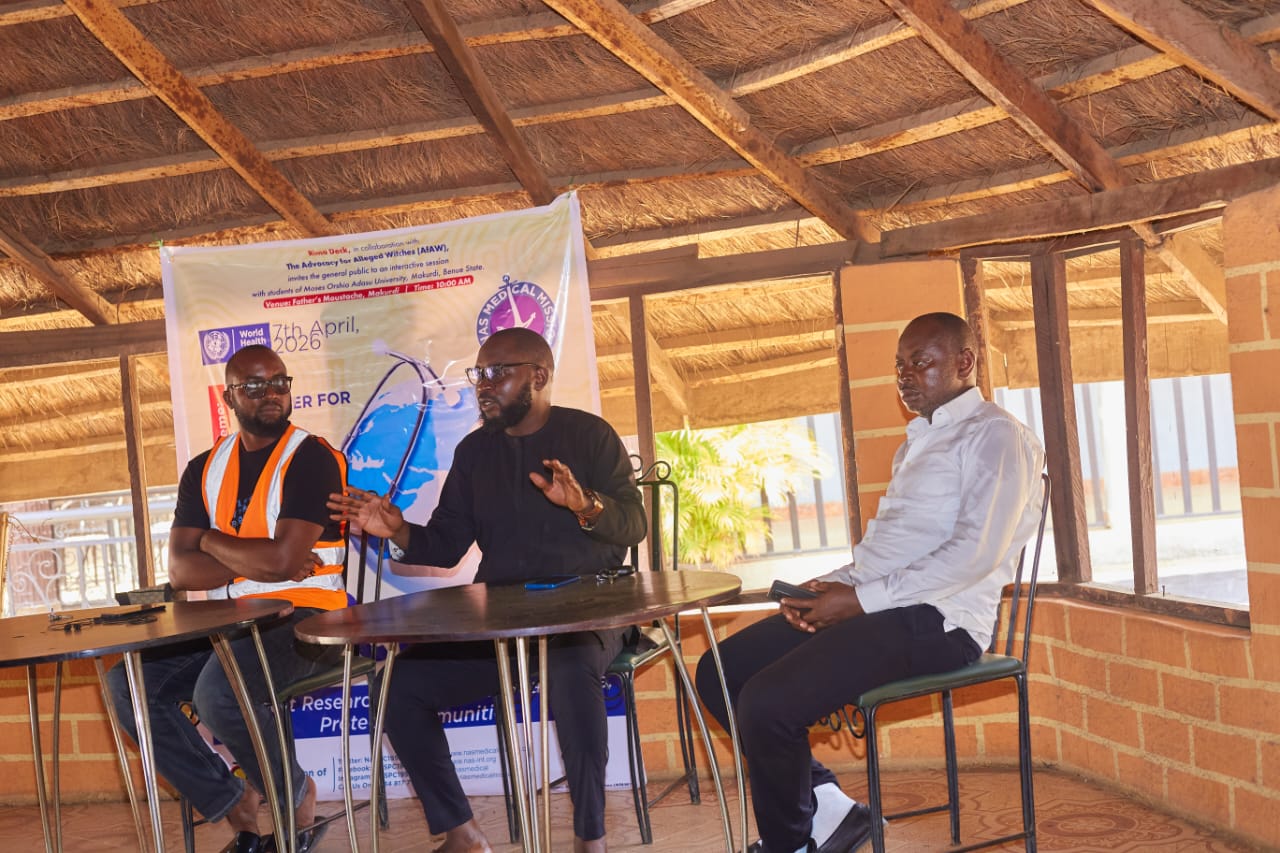 The initiative was implemented in collaboration with Advocacy for Alleged Witches (AfAW) and brought together health professionals, advocates, students, and members of the public to address health misinformation, encourage healthy living, and promote scientific approaches to health-related decision-making.
Project Overview
World Health Day provides an opportunity to raise awareness about important health issues affecting communities around the world. Recognizing the growing influence of misinformation and harmful myths on health outcomes, Rima Deck designed this outreach to educate students on preventive healthcare while encouraging critical thinking and informed decision-making.
The programme focused on empowering participants with practical health knowledge and strengthening their ability to distinguish scientific facts from misconceptions that can negatively affect public health.
Objectives
The outreach sought to:
- Promote evidence-based health practices among students and community members.
- Improve awareness of personal hygiene, disease prevention, and healthy lifestyles.
- Encourage the early and appropriate use of healthcare services.
- Challenge harmful myths and misconceptions surrounding health and disease.
- Foster critical thinking and informed decision-making among young people.
Target Audience
The programme primarily targeted students of Moses Orshio Adasu University, Makurdi, while also welcoming members of the wider community interested in health education and advocacy.
Programme Activities
The event commenced with an introduction highlighting the significance of World Health Day and the role of science, research, and evidence-based practices in improving public health outcomes.
Health Education Session
The medical session was facilitated by Dr. Samuel Adagba, who delivered an engaging presentation on practical measures for maintaining good health and preventing disease.
Key topics covered included:
- Proper handwashing and personal hygiene practices.
- Safe food handling and water consumption.
- Environmental sanitation and community cleanliness.
- Prevention of common infectious and vector-borne diseases.
- The importance of vaccination and healthy lifestyle choices.
- Seeking timely and appropriate medical care.
- Prevention and treatment of disease outbreaks common in Benue State, including Lassa fever and Buruli ulcer.
Participants were encouraged to adopt healthy habits and take proactive measures to protect themselves and their communities from preventable illnesses.
Advocacy and Critical Thinking Session
The advocacy session was delivered by Dooyum Dominic Ingye, Programme Manager of Advocacy for Alleged Witches (AfAW).
His presentation explored the impact of harmful beliefs, misinformation, and superstition on health-seeking behavior and community wellbeing. He emphasized that:
- Many illnesses are often wrongly attributed to witchcraft or supernatural causes.
- Such misconceptions can result in stigma, discrimination, delayed treatment, and preventable suffering.
- Individuals should rely on evidence, medical expertise, and verified information when making health decisions.
He further encouraged students to embrace critical thinking, ask informed questions, and become ambassadors of accurate health information within their communities.
The session also highlighted AfAW’s work in defending the rights of individuals accused of witchcraft and promoting social justice and human rights.
Participation and Engagement
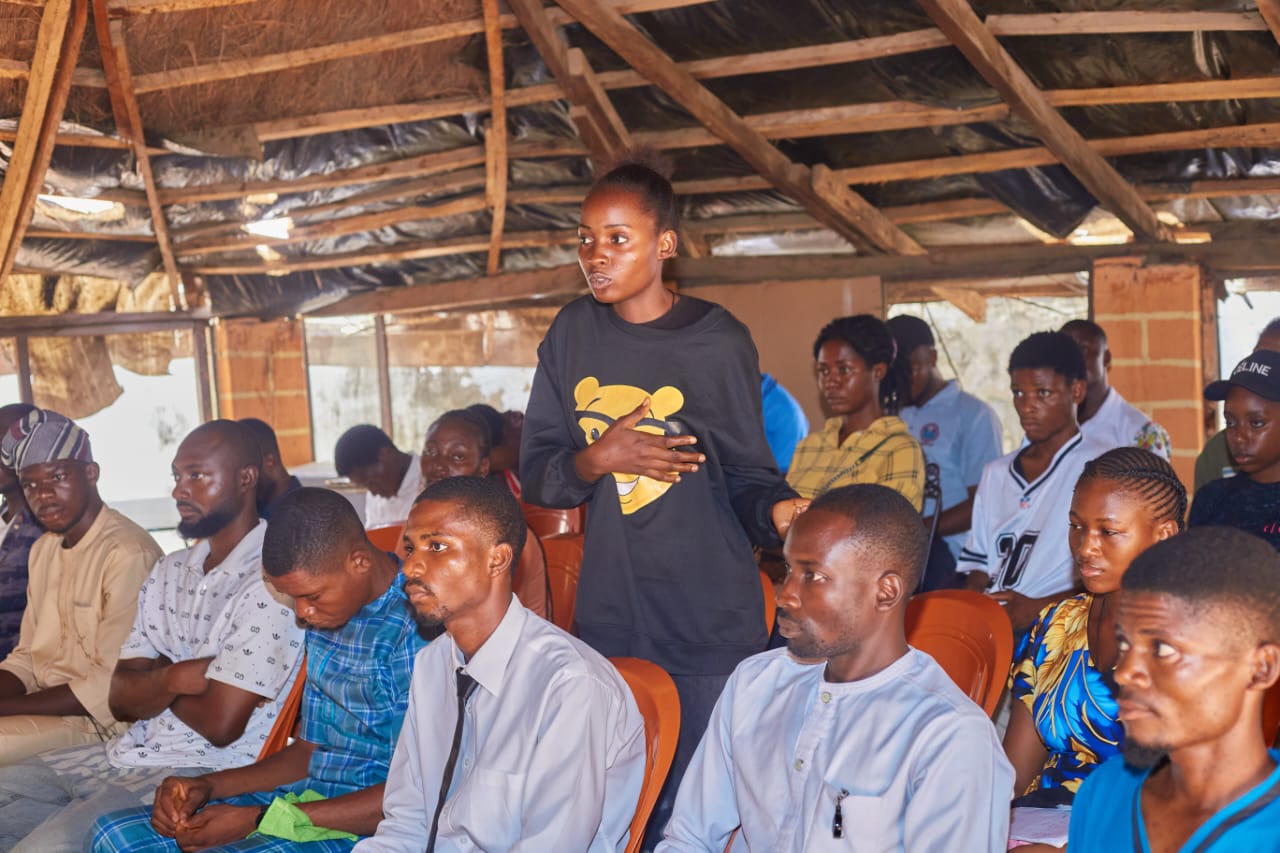
The programme attracted enthusiastic participation from students and members of the public. Interactive discussions and question-and-answer sessions provided opportunities for participants to seek clarification on health-related concerns and share their perspectives on disease prevention and public health challenges.
The high level of engagement demonstrated a strong interest among participants in understanding health issues through a scientific and evidence-based lens.
Key Achievements
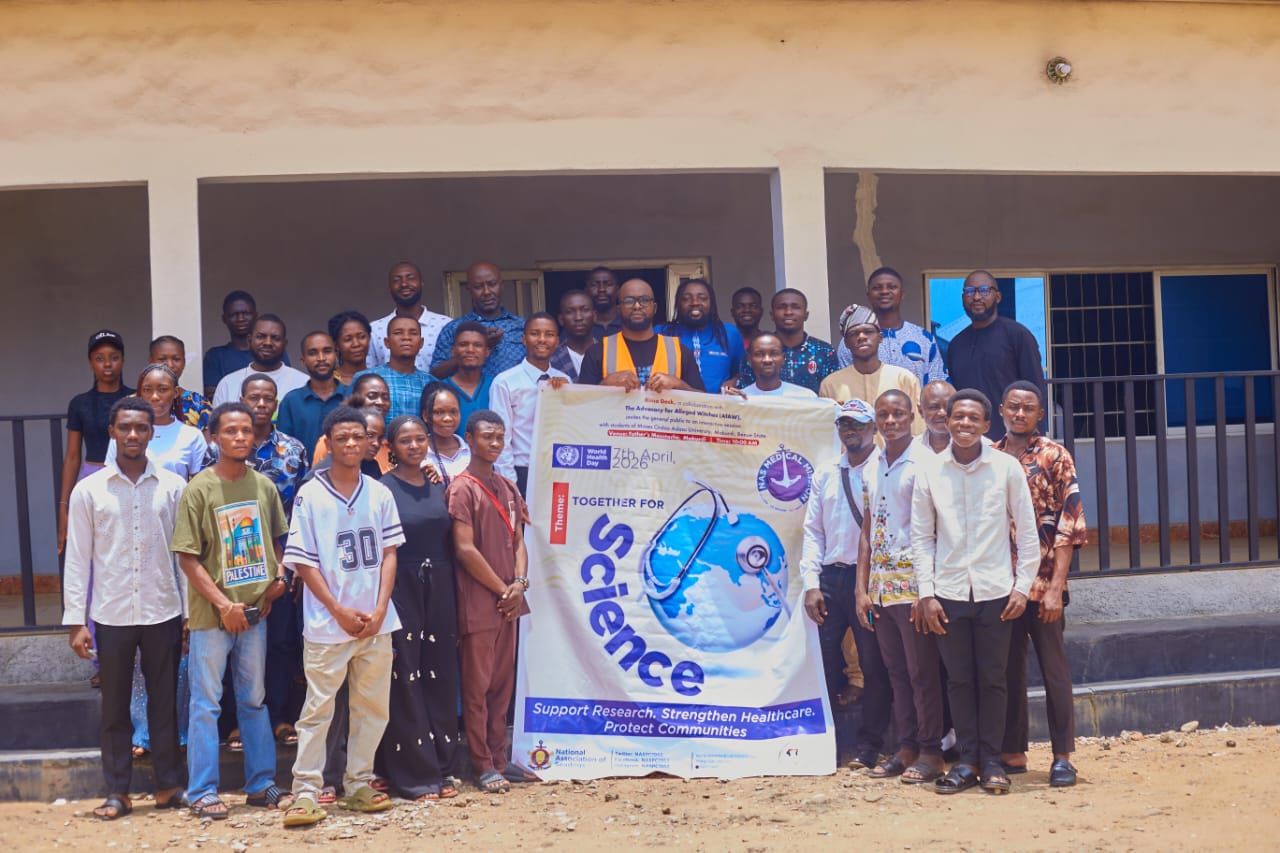 The World Health Day outreach recorded several notable achievements, including:
- Successful collaboration between Rima Deck and Advocacy for Alleged Witches (AfAW).
- Strong participation and engagement from students and stakeholders.
- Delivery of expert-led health and advocacy sessions.
- Active interaction through discussions and question-and-answer sessions.
- Positive feedback from participants upon completion of the programme.
Beneficiaries and Reach
- Direct Beneficiaries
- Approximately 50 students directly participated in the programme.
- Indirect Beneficiaries
Through the sharing of knowledge and information, the programme is expected to reach families, friends, peers, and community members connected to participants, thereby extending its impact beyond the event venue.
Outcomes and Impact
The programme achieved its primary objectives and contributed to:
- Increased awareness of proper health and hygiene practices.
- Improved understanding of the dangers of health misinformation and harmful myths.
- Enhanced critical thinking skills among participants regarding health-related issues.
- Greater willingness to adopt evidence-based health practices and seek professional medical care when necessary.
- Strengthened awareness of the relationship between public health, human rights, and social responsibility.
Conclusion
The World Health Day 2026 outreach organized by NAS Medical Mission through Rima Deck was a resounding success. By combining health education with social advocacy, the programme provided participants with practical health knowledge while encouraging critical thinking and informed decision-making.
The collaboration between Rima Deck and Advocacy for Alleged Witches (AfAW) created a unique platform for addressing both the medical and social factors that influence health outcomes. Through this initiative, participants gained a deeper appreciation of the importance of science, evidence, and accurate information in promoting healthier communities.
NAS Medical Mission remains committed to advancing public health awareness, promoting evidence-based practices, and empowering communities through impactful health education and advocacy programmes across Nigeria.