NAS MEDICAL MISSION RECORDS MAJOR SUCCESS IN COMMUNITY CANCER AND DISEASE SCREENING INITIATIVE AT UBTH
THEME: Timely Screening Ensures Better Protection
The National Association of Seadogs (Pyrates Confraternity), through its NAS Medical Mission, has successfully concluded a month-long Community-Based Breast, Cervical and Prostate Cancer Screening and Prevalent Diseases Awareness Initiative at the University of Benin Teaching Hospital (UBTH), Benin City, Edo State.
The programme, championed by Arabella Deck in collaboration with 3 other decks ran from 27 February to 31 March 2026 under the theme “Timely Screening Ensures Better Protection.”
The initiative was implemented in partnership with the University of Benin Teaching Hospital (UBTH) and several healthcare stakeholders with the goal of promoting early disease detection, increasing public awareness, and facilitating timely medical intervention for participants.
Programme Objectives
The medical mission was designed to provide free and accessible screening services for breast, cervical and prostate cancers, as well as other prevalent diseases, particularly among underserved populations. The programme also sought to:
- Promote awareness on the importance of early detection and healthy lifestyle choices.
- Identify undiagnosed cases requiring prompt medical attention.
- Refer individuals with suspicious findings for further evaluation and treatment.
- Strengthen local healthcare capacity through collaboration with healthcare professionals.
- Foster partnerships with government agencies, healthcare institutions and development organizations.
- Generate baseline health data to support future public health interventions.
Screening Activities
The screenings were conducted at the Centre for Disease Control (CDC), Department of Public Health and Community Medicine, University of Benin Teaching Hospital (UBTH), Benin City.
Target beneficiaries included:
- Men aged 40 years and above for prostate cancer screening.
- Women aged 21–65 years for cervical cancer screening.
- Women aged 40 years and above for breast cancer screening.
- Adults aged 21 years and above for screening of prevalent diseases, optical examinations and dental assessments.
Services provided during the programme included:
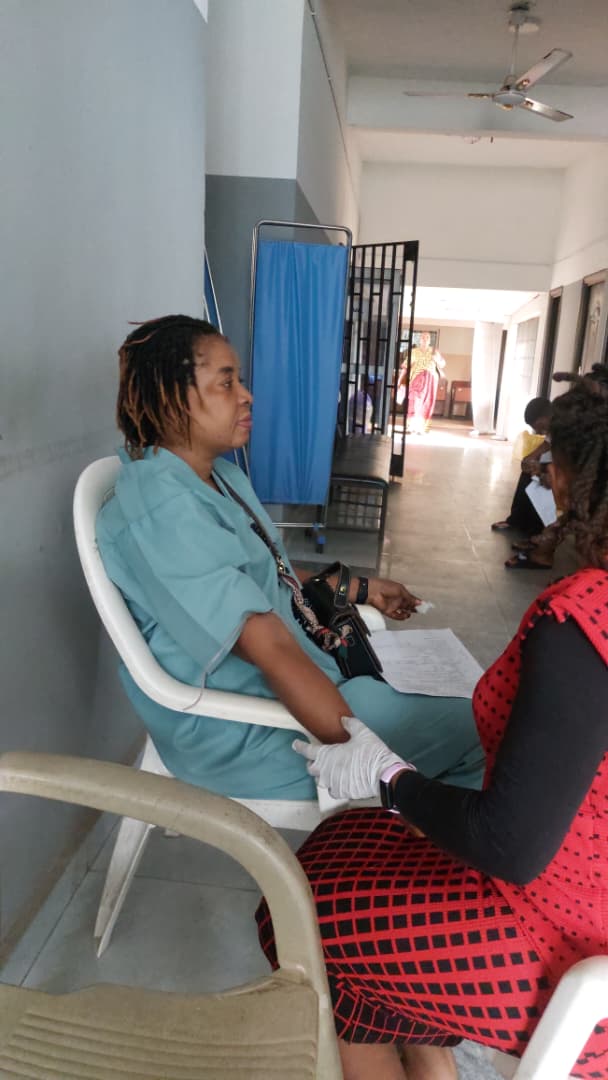
Cancer Screening
- Cervical Cancer Screening (Pap Smear and Visual Inspection with Acetic Acid – VIA)
- Breast Cancer Screening (Clinical Breast Examination and Ultrasound)
- Prostate Cancer Screening (Prostate-Specific Antigen – PSA)
Screening for Other Prevalent Diseases
- Hypertension
- Diabetes Mellitus
- Hepatitis B
- Hypercholesterolemia and Hyperlipidaemia
- HIV Testing
- Renal Disease Assessment
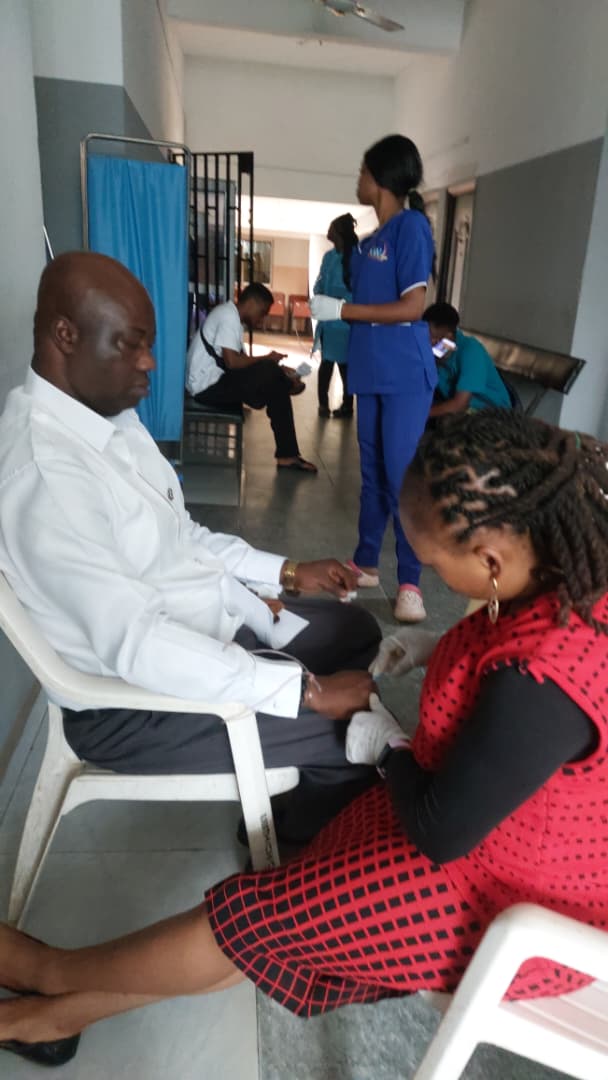
Additional Services
- Optical Examinations
- Dental Screening and Consultation
A multidisciplinary team of 32 healthcare professionals, comprising medical doctors, oncologists, nurses, laboratory scientists, public health officers and volunteers, supported the implementation of the programme.
Key Outcomes
Participation
A total of 120 individuals benefited directly from the screening exercise.
- Male Participants: 81 (67.5%)
- Female Participants: 39 (32.5%)
- Age Range: 21–72 years
- Average Age: 46 years
Cancer Screening Results
Cervical Cancer
- 28 women screened.
- 11 participants rescheduled for screening.
- Laboratory results are expected within six weeks.
Breast Cancer
- 39 women screened.
- 2 suspicious breast lumps identified (5.13%).
Prostate Cancer
- 81 men screened.
- 2 participants recorded elevated PSA levels (2.46%).
Prevalent Disease Screening Results
The exercise revealed a significant number of previously undiagnosed non-communicable diseases:
- Hypertension: 49 cases identified (40.83%), including 34 newly detected cases.
- Diabetes Mellitus: 17 cases identified (14.17%), including 11 newly detected cases.
- Abnormal Cholesterol Levels: 66 cases (55%).
- Hepatitis B: No positive cases recorded.
- HIV: No positive cases recorded.
Dental and Optical Screening
- Dental Screening: All 120 participants were assessed, with 33 individuals (27.5%) presenting abnormalities and subsequently referred to UBTH for restorative and cosmetic dental care.
- Optical Screening: Follow-up examinations remain ongoing.
Referrals and Follow-Up
All participants with abnormal findings or suspicious results were referred to the appropriate specialist clinics within UBTH for further diagnostic evaluation and treatment.
Public Health Impact
Beyond the screening exercise, the programme featured extensive public enlightenment activities on cancer awareness, prevention and treatment. Through sustained advocacy campaigns conducted throughout the one-month period, more than 300 community members received education on cancer prevention, early detection, healthy living and disease management.
The findings highlight the growing burden of non-communicable diseases within the community and reinforce the need for integrated approaches to prevention, early diagnosis and treatment.
Challenges Encountered
The programme identified several challenges that may affect long-term health outcomes:
- Limited follow-up compliance due to transportation and financial constraints.
- Need for additional diagnostic equipment to manage increasing referrals.
- Cultural misconceptions and knowledge gaps affecting participation in some screening activities.
Recommendations
To build on the success of the initiative, the following recommendations were made:
- Intensify community health education on cancer and chronic disease prevention.
- Establish subsidized treatment and follow-up support for positive cases.
- Expand outreach programmes to rural and underserved communities.
- Integrate routine cancer screening into primary healthcare services.
Conclusion
The NAS Medical Mission Community-Based Cancer and Prevalent Diseases Screening Initiative achieved its primary objectives and demonstrated the critical role of preventive healthcare in improving community well-being. The programme successfully screened 120 participants, identified several previously undiagnosed health conditions, referred affected individuals for specialist care, and reached over 300 residents through awareness campaigns.
The initiative has laid a strong foundation for future interventions and underscores the importance of sustained investments in screening, health education and accessible treatment services to reduce the burden of cancer and other prevalent diseases in Edo State and beyond.
Appreciation
NAS Medical Mission (Arabella Deck) extends profound appreciation to the Management and Staff of the University of Benin Teaching Hospital (UBTH), whose partnership was instrumental to the success of the programme.
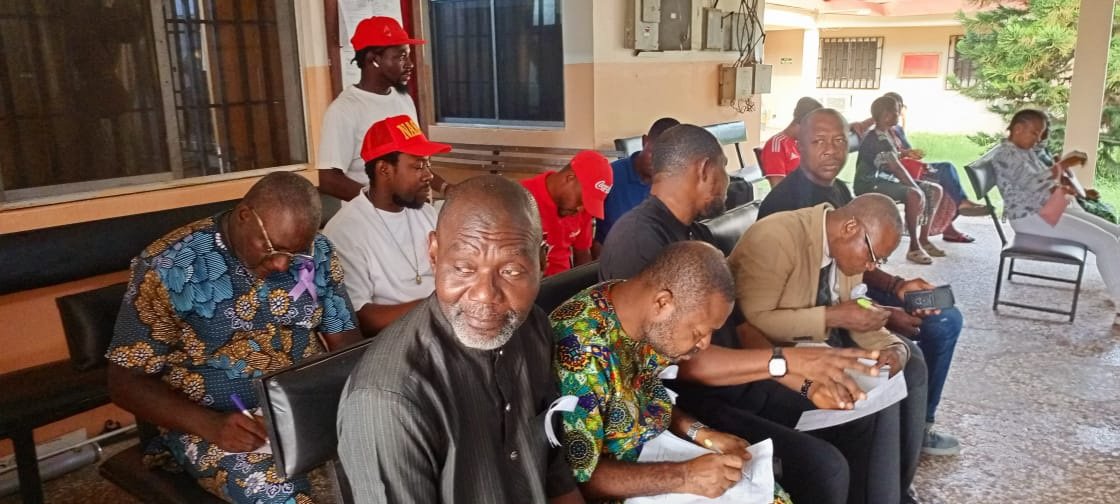 The association further appreciates the support of the Edo State Ministry of Health, the Nigerian Institute for Cancer Research and Treatment (NICRAT), Prevent Cancer Africa (PCA), the Nigerian Cancer Society (NCS), the Cormode Cancer Foundation (CCF), participating corporate organizations, partner institutions and all volunteers whose contributions made the project a resounding success.