EXECUTIVE SUMMARY
The NAS Medical Mission (NMM) undertook a scoping and needs assessment visit to Igbó Efon community in Eti-Osa Local Government Area of Lagos State as part of preparations for a proposed free medical outreach during the forthcoming First Quarter Pyrates Working Council (Q1 PWC) of the National Association of Seadogs (NAS).
The scoping mission was undertaken to establish the prevailing health needs of the community, assess the available healthcare infrastructure, identify vulnerable population groups, engage relevant community stakeholders and determine the logistical and operational requirements for a successful medical intervention.
Igbó Efon is a rapidly expanding community within the Lekki corridor, characterised by a diverse population of artisans, office workers, small business owners, informal traders and construction workers. Despite its proximity to major urban developments and commercial centres, the community continues to experience significant healthcare access challenges, particularly in the areas of affordability, preventive healthcare, maternal and child health, infectious diseases and the management of chronic non-communicable diseases.
Preliminary findings point to a considerable burden of malaria and other infectious diseases, maternal and child health vulnerabilities, environmental health challenges and increasing cases of hypertension, diabetes and other chronic conditions. The high dependence on out-of-pocket healthcare expenditure further compounds these challenges, limiting access to timely and quality medical services.
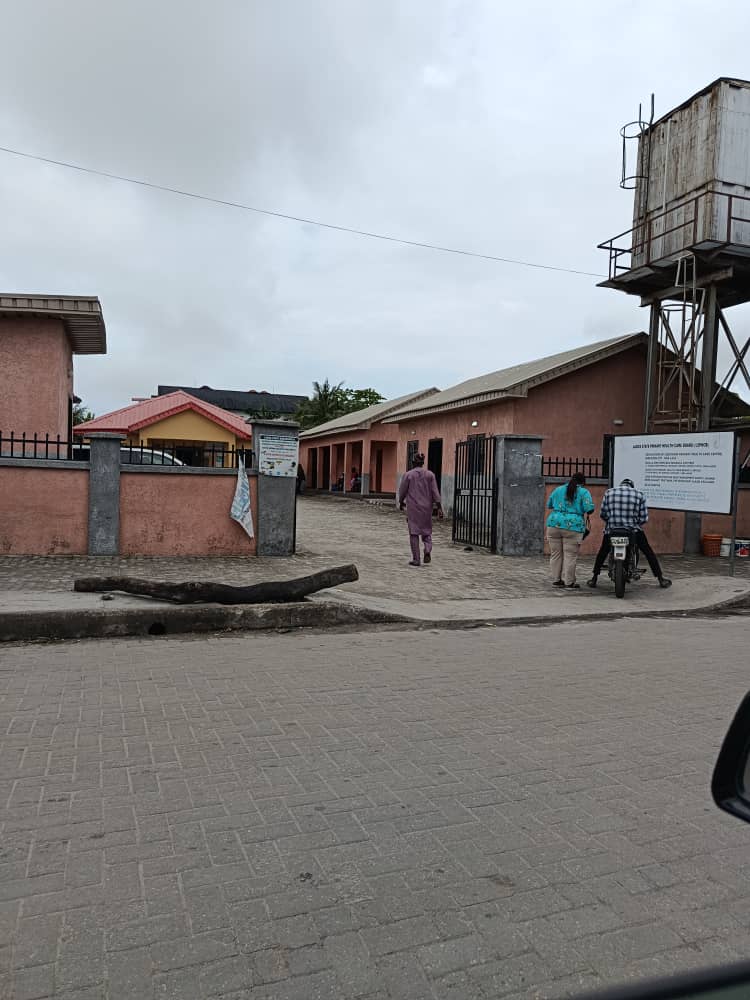
The assessment also identified the Igbó Efon Primary Health Centre (PHC) as a strategic location for the proposed intervention. Engagements with the Officer-in-Charge (OIC) of the facility, Chief Matron Aderounmu, the Baale of Igbó Efon and the community Youth Leader revealed strong interest and enthusiasm for the proposed medical outreach, with assurances of community cooperation and mobilisation.
Based on the findings, the NAS Medical Mission recommends a one-day, community-based free medical outreach targeting approximately 200–300 beneficiaries. Proposed services include general medical consultations, maternal and child health services, basic laboratory investigations, pharmacy services, dental care, optometry, health education and targeted men’s health services, particularly prostate health screening.
The proposed intervention will provide immediate access to essential healthcare services while promoting preventive health knowledge, strengthening community engagement and reinforcing the National Association of Seadogs’ commitment to humanitarian service and the well-being of underserved populations.
BACKGROUND AND COMMUNITY PROFILE
Igbó Efon is a community situated within Eti-Osa Local Government Area of Lagos State, along the rapidly developing Lekki-Epe corridor. The community comprises several contiguous settlements and residential clusters that extend into neighbouring semi-urban communities.
Although an accurate and current population figure for Igbó Efon alone was not readily available during the assessment, the population of the wider settlement cluster is estimated to exceed 200,000, based on projections from the 2006 National Population Census. This figure should be treated as a preliminary estimate pending verification through appropriate demographic sources.
The community is characterised by a mixed socioeconomic population comprising:
– Artisans and skilled tradespeople.
– Salaried office workers and professionals.
– Micro-entrepreneurs and informal-sector traders.
– Construction and construction-support workers.
– Other low- and middle-income households.
Women, children and older persons constitute particularly vulnerable groups, given their healthcare needs and the financial and structural barriers that may limit their access to essential medical services.
The community’s rapid urban expansion, population pressure and environmental challenges have created additional demands on existing healthcare infrastructure and other basic social amenities.
PROBLEM STATEMENT
Despite its location within one of Lagos State’s rapidly developing urban corridors, Igbó Efon faces significant public-health and healthcare-access challenges.
The cost of medical services, inadequate health insurance penetration, environmental health risks, limited preventive healthcare awareness and the growing burden of chronic diseases expose residents, particularly vulnerable groups, to avoidable illnesses and complications.
A significant proportion of healthcare expenditure is reportedly financed directly by households through out-of-pocket payments. This situation discourages early presentation, encourages self-medication and increases dependence on informal healthcare providers.
The community also faces environmental challenges associated with poor drainage, inadequate sanitation, water vulnerability, air pollution and rapid construction activities. These conditions contribute to the transmission of infectious diseases and other health complications.
The proposed NAS Medical Mission is therefore designed to respond to these identified healthcare needs through accessible medical consultations, basic diagnostic services, treatment, preventive health education and targeted screening interventions.
- METHODOLOGY AND STAKEHOLDER ENGAGEMENT
The scoping exercise involved preliminary community-level assessment and direct engagement with key stakeholders whose cooperation will be essential to the successful execution of the proposed outreach.
The assessment approach included:
- Direct engagement with the Officer-in-Charge of Igbó Efon Primary Health Centre.
- Key informant discussions with the community’s traditional leadership.
- Engagement with the community Youth Leader.
- Preliminary observation of the healthcare environment, surrounding settlements and accessibility.
- Identification of prevailing health concerns, logistical requirements and potential operational challenges.
Key Stakeholders Engaged
The mission team held engagements with:
– Chief Matron Aderounmu, Officer-in-Charge of Igbó Efon Primary Health Centre.
– The Baale of Igbó Efon.
– The Youth Leader of Igbó Efon.
The engagements were encouraging. All three stakeholders expressed enthusiasm about the proposed medical intervention and indicated their willingness to support the programme through community mobilisation and other necessary forms of cooperation.
The positive response from the traditional leadership, healthcare facility and youth leadership provides a favourable foundation for subsequent sensitisation, beneficiary mobilisation and programme implementation.
- HEALTH NEEDS ASSESSMENT: KEY FINDINGS
The preliminary assessment identified the following major health concerns within the community:
4.1. Infectious Diseases
Malaria remains a major cause of illness and hospital visits in the community. The area’s wetland characteristics, vegetation, poor drainage and potential stagnant-water breeding sites create favourable conditions for mosquito proliferation.
Pregnant women and children under five are particularly vulnerable to severe complications arising from malaria.
Other infectious diseases of concern include:
– Cholera and other diarrhoeal diseases.
– Enteric fever and related waterborne infections.
– Other environmentally transmitted infectious diseases.
The potential for recurrent outbreaks of waterborne diseases underscores the importance of preventive health education, sanitation awareness and access to safe drinking water.
4.2. Maternal and Child Health
Maternal and child health emerged as an important area requiring intervention.
Anaemia in pregnancy, often associated with nutritional deficiencies and malaria, presents a significant concern. The continued reliance on traditional birth attendants (TBAs) for home deliveries, sometimes without adequate medical supervision or referral arrangements, also increases the risk of preventable maternal and neonatal complications.
The proposed outreach should therefore prioritise maternal health education, basic screening, nutritional counselling, malaria prevention and appropriate referral of identified high-risk cases.
4.3. Respiratory Diseases and Environmental Exposure
The rapid pace of construction and urban development around the community has increased residents’ exposure to dust, smoke and other airborne pollutants.
These environmental exposures may contribute to respiratory complaints and aggravate existing respiratory conditions.
4.4. Chemical and Water Pollution
Concerns were identified around environmental pollution and the availability of safe drinking water.
The absence of a piped water supply to individual homes means that residents rely predominantly on boreholes and commercially packaged sachet water.
This dependence, combined with concerns about water quality and environmental contamination, increases the potential risk of waterborne illnesses.
4.5. Non-Communicable Diseases (NCDs)
Hypertension, diabetes mellitus and chronic musculoskeletal conditions, particularly arthritis, were identified as common health concerns.
The management of these conditions is often complicated by delayed diagnosis, limited access to routine screening and inadequate follow-up.
There are also concerns about the indiscriminate use and abuse of analgesics among residents managing chronic pain conditions without appropriate medical supervision.
Of particular significance, the Baale specifically requested that the proposed intervention include attention to prostate-related health problems among men.
This request reinforces the need to incorporate men’s health education and appropriate prostate health screening into the outreach programme.
- HEALTHCARE INFRASTRUCTURE AND ACCESSIBILITY ASSESSMENT
5.1. Available Healthcare Facilities
The healthcare infrastructure serving Igbó Efon comprises:
- Igbó Efon Primary Health Centre, which serves as the principal government-established primary healthcare facility within the community.
- Several privately operated medical centres located within relatively short distances of the community.
- Local patent medicine vendors and community pharmacies (chemists).
Although private medical facilities provide additional healthcare options, affordability remains a significant barrier for many residents.
5.2. Healthcare Workforce
The available information from the government-established PHC indicates a workforce of approximately 15 personnel.
This figure includes nurses, allied healthcare personnel, laboratory and pharmacy support staff, security personnel and cleaners.
The actual number of clinical personnel and their respective professional specialisations will require further verification with the facility’s management.
5.3. Financial Accessibility
Healthcare affordability emerged as one of the most significant barriers to accessing medical services.
Preliminary information suggests that more than 80% of healthcare expenditure is financed through out-of-pocket payments, while health insurance coverage is reportedly below 5%.
These figures require further validation but point to a substantial financial protection gap.
The high cost of medical consultations, investigations and medication often discourages residents from seeking timely professional care.
Transportation costs further compound the problem, particularly for residents who must travel outside the immediate community to access more specialised healthcare services.
5.4. Utilisation of Healthcare Services
A number of residents reportedly bypass primary healthcare facilities in favour of secondary healthcare institutions, including general hospitals, because of their perception that these facilities offer superior expertise and more comprehensive services.
Late presentation for treatment is also a concern.
These patterns, combined with the high cost of healthcare, contribute to the continued dependence on local patent medicine vendors and informal healthcare providers.
- HEALTH-SEEKING BEHAVIOUR
The assessment identified the following healthcare-seeking patterns:
- Dual maternal healthcare practices: Some pregnant women combine facility-based antenatal care with the services of traditional birth attendants (TBAs), locally referred to as Agbomola.
- Dependence on patent medicine vendors: Residents frequently rely on local chemists and patent medicine vendors for initial treatment of common illnesses.
- Preference for secondary healthcare facilities: Some residents bypass primary healthcare facilities in favour of general hospitals, often due to perceived differences in the quality and expertise of care.
- Delayed presentation: Financial constraints and other access barriers may result in residents seeking medical attention only when illnesses have become more severe.
The principal determinants of these behaviours include:
– High out-of-pocket healthcare expenditure.
– Perceived quality and reliability of healthcare services.
– Physical accessibility and proximity to major roads.
– Waiting times at healthcare facilities.
– Awareness of available healthcare services.
These findings highlight the importance of making the NAS Medical Mission accessible, efficient, responsive and community-centred.
- ENVIRONMENTAL AND SOCIAL DETERMINANTS OF HEALTH
The assessment identified several environmental and socioeconomic factors that influence the health and well-being of residents.
7.1. Environmental Determinants
Poor Air Quality: Construction activities, dust, smoke and particulate emissions associated with the area’s rapid urban development contribute to potential respiratory health risks.
Water Vulnerability and Poor Sanitation: The absence of a piped water supply to homes means residents depend largely on boreholes and sachet water. This creates concerns around water quality, sanitation and the prevention of waterborne diseases.
Vector Breeding Conditions: Wetland terrain, vegetation and inadequate drainage create conditions favourable for mosquito breeding, thereby increasing malaria transmission risks.
7.2. Social and Economic Determinants
The following social factors also affect health outcomes:
- Livelihood disruptions and food insecurity, which may affect household nutrition and the ability to afford healthcare.
- Demographic pressure, housing shortages and overcrowding.
- Financial barriers to accessing essential healthcare services.
- Gaps in health literacy and awareness of preventive healthcare practices.
These interconnected factors demonstrate that improving health outcomes in Igbó Efon requires not only medical intervention but also sustained attention to preventive health education and the wider determinants of health.
- LOGISTICS, ACCESSIBILITY AND SECURITY ASSESSMENT
8.1. Accessibility
Igbó Efon is accessible through two major transportation corridors:
– The Coastal Road.
– The Lekki-Epe Expressway.
The Igbó Efon Primary Health Centre is strategically located close to the expressway, making it accessible to residents and visiting medical personnel.
From the Hispaniola X Anchor Point, the proposed venue is approximately 10 minutes away by road, subject to traffic conditions.
8.2. Security
The Lekki-Epe corridor has a visible presence of security agencies and private security organisations, including:
– Nigeria Police Force.
– Nigerian Army.
– Nigeria Security and Civil Defence Corps.
– Private security outfits.
– Local vigilante groups.
The mission team considers the security environment generally favourable for the proposed outreach, subject to a formal security assessment and appropriate engagement with relevant security agencies before the event.
8.3. Proposed Venue
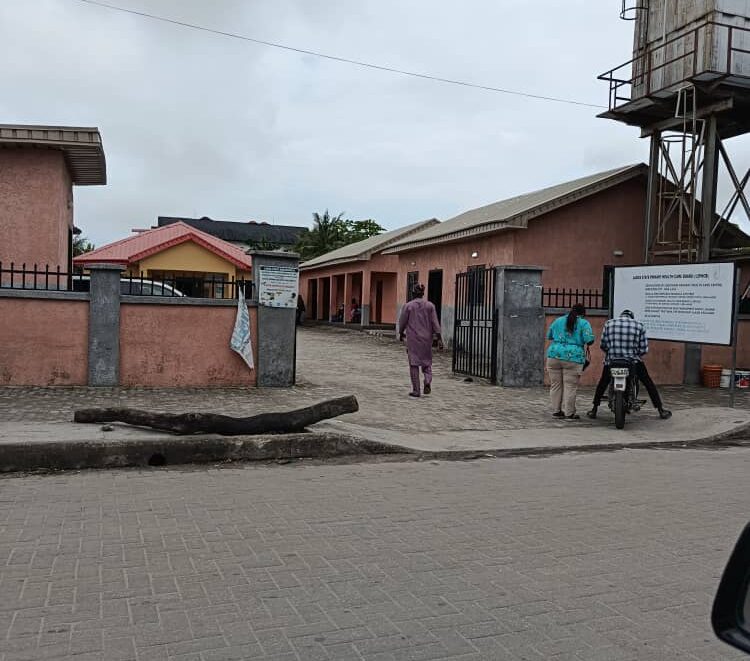
The recommended venue is the Igbó Efon Primary Health Centre.
The facility is strategically positioned by the road, just off the Lekki-Epe Expressway. It is enclosed by a perimeter wall and has controlled access points.
Its location and existing healthcare infrastructure make it a suitable venue for the proposed medical outreach, subject to a detailed assessment of available space, patient flow, utilities and operational capacity.
8.4. Accommodation
There are several hotels and hospitality establishments along the Lekki corridor that can accommodate visiting medical personnel, volunteers and other mission participants.
Eko Hotel & Suites is approximately 35 minutes from the proposed venue by road, subject to prevailing traffic conditions.
Other suitable accommodation options along the corridor may also be considered, depending on the team’s size and budget.
- TARGET BENEFICIARIES AND PROPOSED INTERVENTIONS
Target Location: Igbó Efon Community, Eti-Osa Local Government Area, Lagos State.
Proposed Beneficiaries: Approximately 200–300 residents.
Duration: One day, 9:00 a.m. – 4:00 p.m.
The proposed medical outreach will focus on providing free, accessible and essential healthcare services, with particular attention to vulnerable population groups and the prevalent health concerns identified during the scoping exercise.
9.1. Recommended Medical Services
The following services are recommended:
- General Outpatient Medical Consultations: Medical consultations, basic clinical assessments, diagnosis and treatment of common illnesses, with particular attention to infectious diseases, maternal and child health concerns and elderly patients.
- Maternal and Child Health Services: Basic maternal health assessments, health education, nutritional counselling, malaria prevention awareness and identification of cases requiring further medical attention.
- Basic Laboratory Investigations: Point-of-care investigations and other basic diagnostic tests, subject to the availability of appropriate equipment, reagents and trained personnel.
- Pharmaceutical Services: Free dispensing of prescribed medications based on clinical assessment and available medical supplies.
- Dental Care: Basic dental screening, oral health education and appropriate treatment within the available scope of the dental team.
- Optometry Services: Basic eye examinations, vision screening, identification of common eye conditions and referral where necessary.
- Men’s Health and Prostate Screening: Targeted health education and appropriate prostate health screening for men, in response to the specific concerns raised by the community’s traditional leadership.
9.2. Health Education and Awareness
Health education will constitute an important component of the intervention.
Posters, leaflets and direct patient counselling should be deployed to improve awareness of the prevention, early detection and management of common health conditions.
Recommended health education topics include:
– Malaria prevention and control.
– Cholera and other waterborne diseases.
– Diphtheria prevention and awareness.
– Anaemia in pregnancy and maternal nutrition.
– Diabetes mellitus.
– Hypertension and cardiovascular diseases.
– Arthritis and the dangers of indiscriminate analgesic use.
– Prostate health and men’s preventive healthcare.
– Personal hygiene, sanitation and safe drinking water.
- PERSONNEL, MEDICAL SUPPLIES AND OPERATIONAL REQUIREMENTS
Successful execution of the outreach will require adequate human resources, medical equipment, consumables and logistical support.
10.1. Personnel Requirements
The proposed team should comprise:
- Medical mission coordinator and administrative personnel.
- Patient registration and medical records personnel.
- Supervisors and patient-flow coordinators.
- Nurses for triage and vital signs assessment.
- Medical doctors.
- Pharmacists and pharmacy support personnel.
- Medical laboratory scientists or qualified laboratory technicians.
- Dental professionals.
- Optometrists and eye-care personnel.
- Security personnel.
- General support and logistics personnel.
10.2. Medical Supplies and Equipment
The following supplies and equipment will be required:
– Medical consumables and disposables.
– Essential drugs and medications.
– Basic laboratory equipment, reagents and test kits.
– Dental equipment and treatment kits.
– Basic eye examination and screening equipment.
– Blood pressure monitors.
– Glucometers and other basic point-of-care diagnostic equipment.
– Personal protective equipment.
– Medical waste collection and disposal kits.
– Screens and partitions to ensure patient privacy and confidentiality.
– Patient registration and medical documentation materials.
10.3. Operational and Technical Support
Additional requirements include:
– Adequate electricity or alternative power supply.
– Public Address System (PAS).
– Tables, chairs and other venue arrangements.
– Health education posters and leaflets.
– Transportation for medical personnel, volunteers, equipment and supplies.
– Food and refreshments for beneficiaries and mission personnel.
- IMPLEMENTATION STRATEGY AND OUTREACH PLANNING
The successful implementation of the proposed intervention will require coordinated activities before, during and after the outreach.
11.1. Community Sensitisation and Mobilisation
Community engagement will be essential to achieving the projected beneficiary target.
Recommended activities include:
- Preparation and delivery of formal letters to the Baale, PHC management and other critical stakeholders.
- Follow-up visits and continued engagement with the community leadership.
- Deployment of posters and other publicity materials at strategic locations within the community.
- Engagement of the Youth Leader and other community influencers to facilitate grassroots mobilisation.
- Continuous sensitisation of residents on the objectives, services and timing of the medical outreach.
- Security reconnaissance and engagement with relevant security stakeholders.
11.2. Operational Planning
The operational team will be responsible for:
- Confirming and preparing the proposed venue.
- Designing an efficient patient registration, triage, consultation, investigation, treatment and referral workflow.
- Establishing a quality assurance framework for the delivery of medical services.
- Arranging vehicles for the transportation of medical personnel, beneficiaries where necessary, equipment and supplies.
- Ensuring the availability of food and drinks for beneficiaries and mission personnel.
- Establishing appropriate arrangements for patient confidentiality, medical records and waste disposal.
11.3. Resource Mobilisation
Resource mobilisation will focus on three major areas:
- Human Resources: Recruitment and deployment of qualified medical professionals, volunteers and administrative personnel.
- Medical Materials and Supplies: Procurement and mobilisation of essential drugs, consumables, diagnostic kits and other medical equipment.
- Transportation and Logistics: Provision of vehicles, accommodation, feeding, power supply and other operational necessities.
- COORDINATION, MONITORING AND EVALUATION
Effective coordination and monitoring will be necessary to ensure that the outreach achieves its objectives and delivers quality healthcare services.
12.1. Pre-Outreach Coordination
Activities will include:
– Confirmation of the venue and relevant approvals.
– Engagement with community stakeholders and healthcare facility management.
– Finalisation of the medical team and deployment schedule.
– Procurement and verification of medical supplies.
– Community mobilisation and sensitisation.
– Security and logistical preparations.
12.2. Coordination During the Outreach
The mission team will establish a central coordination structure to oversee:
– Patient registration and medical records.
– Triage and vital signs assessment.
– Patient movement through the various service points.
– Clinical consultations and treatment.
– Pharmacy and laboratory operations.
– Referral of cases requiring further medical attention.
– General security, crowd management and quality assurance.
12.3. Post-Outreach Activities
Following the intervention, the team will undertake:
– Compilation and analysis of patient records and service statistics.
– Documentation of medical conditions identified and treated.
– Identification and documentation of cases requiring referral or further follow-up.
– Assessment of beneficiary satisfaction and feedback.
– Preparation of a comprehensive post-mission report.
– Appreciation and follow-up visits to key community stakeholders.
12.4. Key Performance Indicators
The following indicators are recommended for assessing the success of the outreach:
- Number of beneficiaries registered and attended to.
- Number and categories of medical consultations conducted.
- Number of patients screened for hypertension, diabetes and other priority conditions.
- Number of laboratory investigations conducted.
- Number of dental and optometry beneficiaries attended to.
- Number of men reached through prostate health screening and education.
- Number of prescriptions and medications dispensed.
- Number of patients referred for further medical attention.
- Level of beneficiary satisfaction and community participation.
EXPECTED OUTCOMES
The proposed Medical Mission outreach is expected to achieve the following:
- Improved access to free medical consultations, basic diagnostic investigations and essential medications for residents of Igbó Efon.
- Early identification of common infectious diseases and non-communicable health conditions.
- Improved awareness of maternal and child health, preventive healthcare and healthy living.
- Increased awareness of prostate health and the importance of early screening among men.
- Improved understanding of the health risks associated with poor sanitation, unsafe water and environmental pollution.
- Identification and appropriate referral of patients requiring specialised medical attention.
- Strengthened relationships between the NAS Medical Mission, community leadership and local healthcare providers.
- Enhanced visibility of the National Association of Seadogs’ humanitarian and community development initiatives.
CONCLUSION AND RECOMMENDATIONS
The scoping mission to Igbó Efon has established the need for a targeted medical intervention to address the community’s healthcare challenges.
Although situated within the rapidly developing Lekki corridor, the community continues to contend with significant barriers to affordable healthcare, environmental health risks, infectious diseases, maternal and child health vulnerabilities and the growing burden of non-communicable diseases.
The strong support expressed by the Baale, the Officer-in-Charge of the Primary Health Centre and the community Youth Leader provides an encouraging foundation for the proposed intervention.